AI Training Data Collection: Why Infrastructure Is the Hidden Bottleneck
If you’ve been following the AI space, you’ve heard it a hundred times: “Data is the new oil.” But unlike oil, data doesn’t just sit there waiting to be drilled. It has to be collected, cleaned, structured, and validated—and for most teams, that’s where things fall apart.
AI training data collection is the organized acquisition of diverse data used to teach models how to recognize patterns and make decisions . Simple enough, right? In practice, it’s a nightmare of blocked requests, CAPTCHAs, geolocation mismatches, and compliance headaches.
Here’s what nobody tells you: The hardest part of AI data collection isn’t the model. It’s the infrastructure.
The Three Problems Nobody Talks About
1. Scale Meets Reality
The numbers are staggering. The FineWeb dataset alone contains over 15 trillion tokens of cleaned English web data . For web agent training, datasets like WebWorldData contain 1.06 million web interaction trajectories . These aren’t toy datasets—they’re massive, complex, and need to be collected reliably.
Most teams can scrape data at small scale. The wheels fall off when you need to collect 50GB of clean, structured data across multiple geographies, with consistent quality, without getting blocked.
The challenge isn’t access. It’s sustained, reliable access over time.
2. The Anti-Bot Arms Race
Every major website now runs some form of bot protection—Cloudflare, Akamai, DataDome, or custom solutions. And they’re getting smarter. Modern anti-bot systems analyze TLS fingerprints, browser behavior, request patterns, and even mouse movement.
This isn’t 2020 anymore. Rotating a few datacenter IPs won’t cut it.
For AI training data collection, this means your pipeline needs to handle:
- TLS fingerprint consistency — Python’s
requestslibrary looks different from Chrome - Behavioral simulation — uniform request timing is a dead giveaway
- CAPTCHA handling — at scale, this becomes a full-time job
- IP reputation management — once an IP is flagged, it’s useless
3. The Compliance Trap
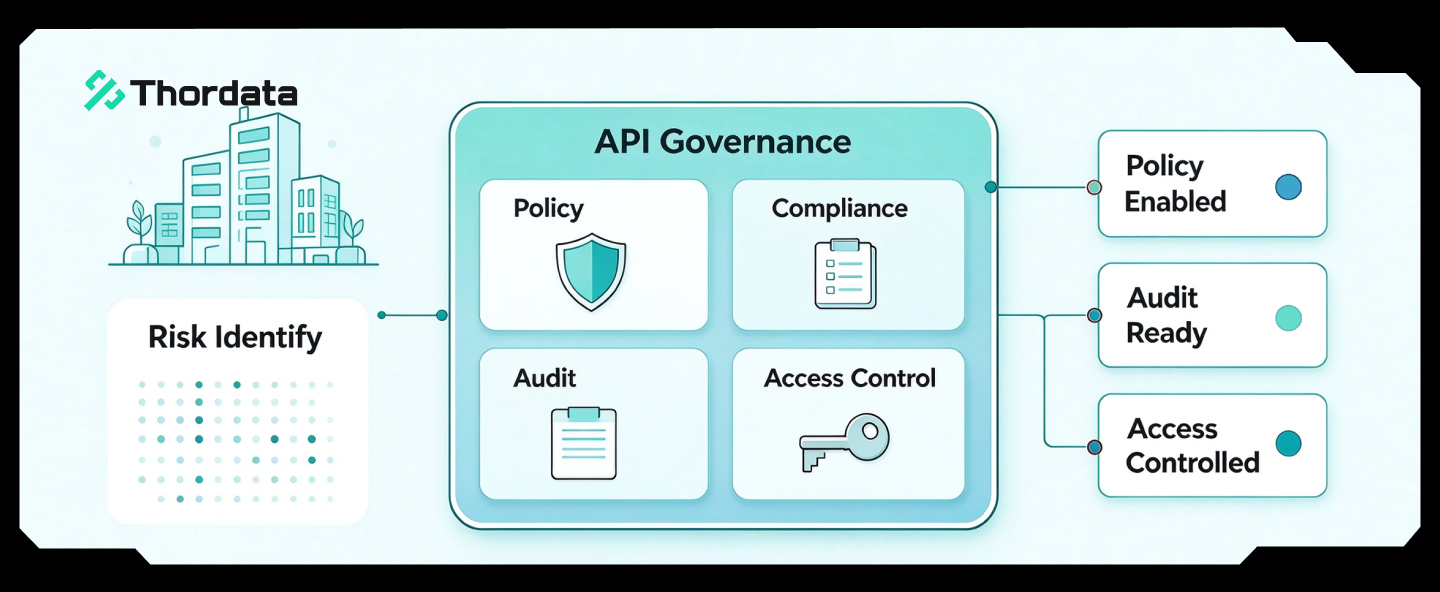
This is the one that keeps founders up at night. High-quality data collection must navigate website terms of service, copyright laws, and privacy regulations . The stakes are real:
- Consent requirements vary by jurisdiction: The EU’s GDPR requires explicit consent for biometric data; Australia’s amended Privacy Act (2025) requires specific consent for AI model training with a 30-day deletion window
- Copyright lawsuits are escalating: Several major AI companies are facing legal action over web-scraped training data
- Auditability is becoming mandatory: Regulators now expect provenance records showing where data came from and how it was collected
As the Nature editorial recently noted, creating responsibly sourced data is “possible when consent and accuracy concerns are addressed explicitly” . But it requires deliberate infrastructure design, not after-the-fact justification.
The Proxy Infrastructure Approach
This is where Thordata comes in. And no, this isn’t a sales pitch—it’s a recognition that most teams trying to build AI data pipelines are reinventing a wheel that’s already been engineered for production.
Thordata was built specifically for AI training data collection and production use cases . Here’s what that actually means:
What Thordata Provides
Global IP Infrastructure — Access to 100M+ residential IPs across 190+ countries, with city and ASN-level targeting. Residential IPs are essential because datacenter IPs are on prebuilt blocklists. If you’re collecting data for AI training and using datacenter proxies, you’re fighting an uphill battle.
Anti-Bot Handling — The Web Scraper API handles CAPTCHAs, JavaScript rendering, and anti-bot measures automatically . This means your team can focus on data quality, not infrastructure maintenance.
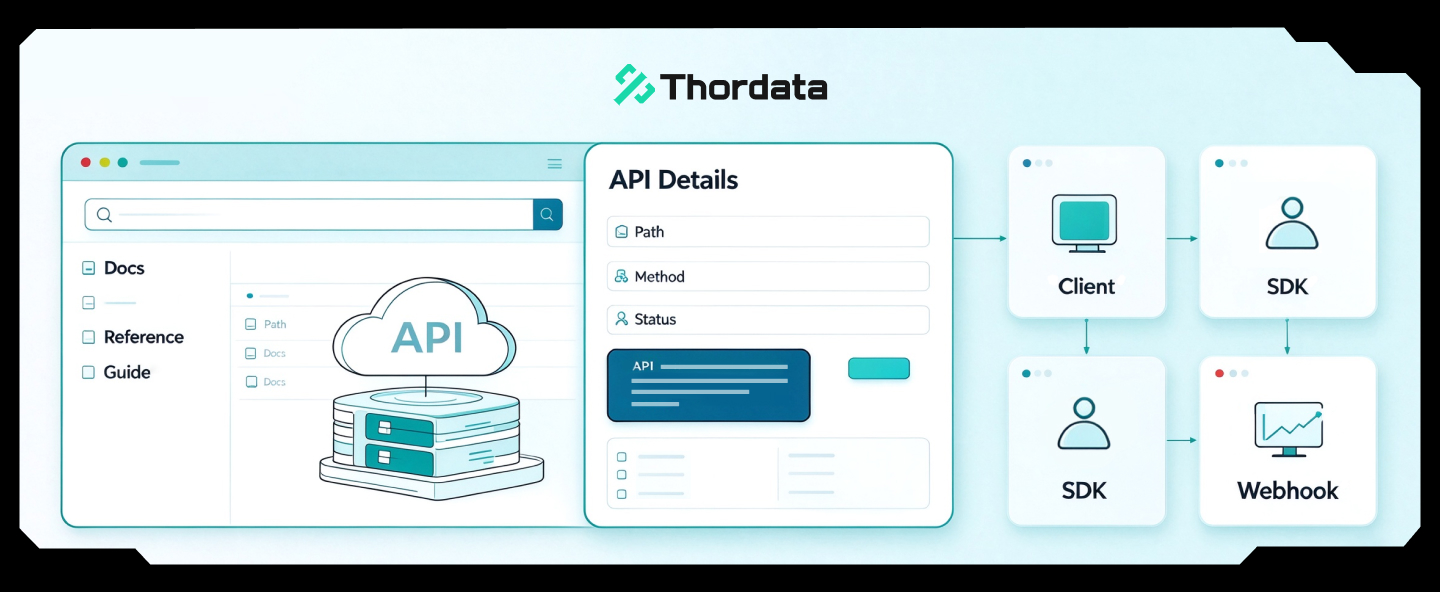
Developer Tools — The Thordata Cookbook on GitHub provides end-to-end examples for building AI data pipelines :
| Recipe | What It Does |
|---|---|
| Web Q&A Agent | Ask questions, search SERP, scrape pages, let an LLM answer with citations |
| RAG Data Pipeline | Scrape → Clean → Markdown for RAG systems |
| MCP Tools for LLMs | Expose search_web and read_website to Claude Desktop |
| OpenAI Research RAG | Scrape dynamic pages, build a Markdown knowledge base |
SERP API for RAG — Real-time search data optimized for LLM and RAG pipelines, with sub-second retrieval and pre-structured JSON output for direct integration .
The “Set It and Forget It” Advantage
One Product Hunt commenter put it well: “The long-term cost usually isn’t worth it” to build this infrastructure yourself . Offloading proxy management and anti-bot handling lets teams focus on building products instead of maintaining data plumbing.
Thordata handles:
- Proxy rotation — automatically cycles IPs to avoid detection
- Fingerprint management — maintains consistent TLS and browser fingerprints
- Geo-targeting — ensures data comes from the right region
- Session control — sticky sessions for login-based workflows, rotating for stateless tasks
- Compliance — ethically sourced IPs, GDPR and CCPA aligned
The Real Cost: Build vs. Buy
Let’s do the math. Building production-scale data collection infrastructure means:
| Cost Category | Estimated Time/Money |
|---|---|
| Proxy procurement and management | 2-3 engineers, ongoing |
| Anti-bot adaptation | 1-2 engineers, continuous |
| IP pool maintenance | $2,000-5,000/month minimum |
| Compliance and legal review | Legal fees, ongoing |
| Opportunity cost | Lost focus on core product |
Thordata pricing starts at $0.65/GB for residential proxies, with a free 500MB trial. For most teams, the math is straightforward: the engineering hours saved easily justify the cost.
What This Means for Your AI Training Pipeline
If you’re building AI models and need training data from the web, here’s what to look for in your infrastructure:
- Residential IPs, not datacenter — Anything else is a waste of time
- Built-in anti-bot handling — CAPTCHAs and IP bans should be someone else’s problem
- Clean, structured output — JSON or Markdown ready for your pipeline
- Compliance as a feature — Not an afterthought
- Developer-friendly APIs — Your team needs to ship, not debug proxy rotation
Bottom Line
AI training data collection is infrastructure, not a script. The teams that treat it as infrastructure will move faster, produce better models, and sleep better at night.
The tools exist. The patterns are proven. The only question is whether you’ll build the plumbing yourself or use infrastructure designed for the job.
Ready to test your AI data pipeline? Start with 500MB free trial at Thordata.com — no credit card required. Use code thor020 for 10% off your first purchase.
 Looking for
Top-Tier Residential Proxies?