Is Oxylabs Rotating Residential Proxy Worth It in 2026?
This page is published by Thordata, one of the products compared.
Oxylabs’ rotating residential proxy is worth considering if it retrieves enough usable data from your target sites to justify its traffic cost; a pool-size claim alone cannot settle that decision. This guide is for buyers comparing rotating proxies for scraping or location-specific requests. It shows what to measure on your own targets, how to calculate cost per usable result, and when a different proxy type may fit better.
The answer depends on your workload
Oxylabs rotating residential proxy access may be worth considering for repeated requests across locations, especially when each request can use a different IP. A smaller workload may need a simpler purchase instead. Judge the choice by usable requests, location accuracy, session control, setup effort, and total traffic cost—not by pool size alone.
A usable request returns the fields your workflow needs from the intended location. For a local price-monitoring job, a successful response from the wrong city still fails the task. Account sessions create a different constraint: rotation can interrupt a sequence that needs one IP.
| Buyer scenario | Potential fit | Deciding factor | Trade-off |
|---|---|---|---|
| Repeated public-page requests across locations | Oxylabs rotating residential, if the required locations and request pattern work | Usable requests from each target location | Traffic charges rise with transferred data |
| Small residential-proxy trial | Thordata residential: 1 GB for $2.00 as of October 2026 | Low initial purchase | A small allowance may not represent a longer run |
| Work that needs a consistent IP | Static residential rather than per-request rotation | Session continuity | Less IP turnover |
Thordata’s proxy types and starting prices provide a purchase comparison; they do not establish how either provider will perform against your targets.
What should you check in Oxylabs’ rotation and setup?
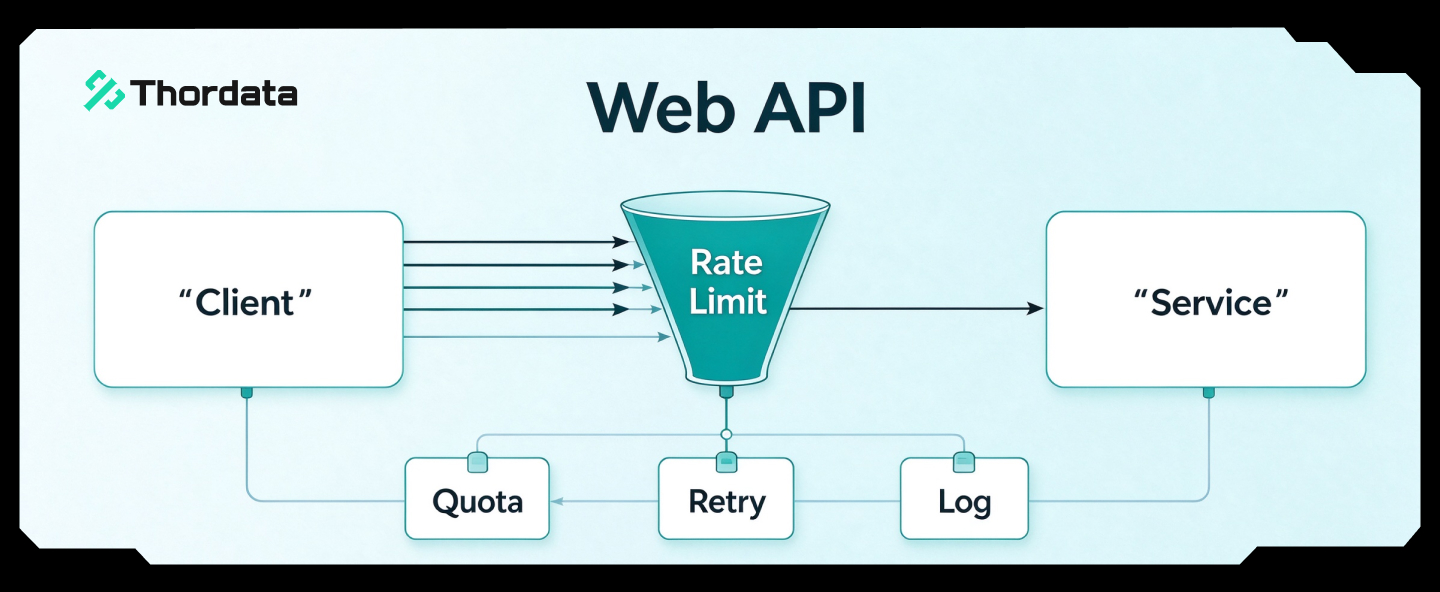
Oxylabs’ rotating residential proxies are worth considering when independent requests need different exit IPs, but a login or checkout flow needs one IP throughout its session. Per-request rotation assigns a new IP for each request; a sticky session retains an IP across successive requests. The distinction matters more than pool size when a workflow carries cookies or state between pages.
Before buying, verify Oxylabs’ current targeting, authentication method, session controls, and integration documentation against the application you intend to use. In particular, determine whether the connection can retain the same exit IP for the full login flow rather than rotating midway through it.
Test the two request patterns separately:
Send independent page requests through a rotating connection. Record the exit IP and response status for each request; rotation is useful if IPs change without disrupting retrieval.
Run the login and subsequent page requests through one sticky connection. Record the exit IP at every step; an IP change before the workflow finishes rules out that session setting for the task.
Do not attribute another provider’s controls to Oxylabs. Thordata documents flexible rotation options in its self-service dashboard; its proxy options describe automatic rotation after each connection request or a custom session duration of 1–90 minutes.
How can you test whether it works for your targets?
Oxylabs rotating residential proxies are worth the cost if they return usable responses from your target sites, requested locations, and required session lengths at a cost your workload can sustain. Run the same requests across each target and location at different times of day. A pool-size claim cannot establish whether the exits available to your workload will meet those conditions.
Fix the test conditions. Use the same URLs, request headers, timeout, retry limit, and concurrency for each run. Include pages that matter to the job, such as a search-results page and a paginated product listing.
Repeat by place and time. Run the request set from every required location across several time windows. For requests that must retain an IP, repeat a multi-page sequence within one session.
Record the outcome of every request. Log whether the response contains usable data, its elapsed time, the observed exit location, and any session interruption. Calculate success rate from the full request count, including timeouts and blocked responses.
Thordata publishes a 100M+ residential IP pool and 190+ locations; its residential specifications also list unlimited concurrent sessions. Those are provider-published context, not Oxylabs test results or evidence of performance on your targets.
What will the traffic actually cost?
Oxylabs’ rotating residential proxy is worth its traffic charge only if it produces enough usable records to justify the spend on your targets. Compare the bill for completed records, not the advertised price per GB: retries and large responses can consume traffic without adding data. The residential packages below give a cost baseline, but they do not establish what Oxylabs would charge.
| Residential traffic | Thordata package | Decodo package |
|---|---|---|
| Small purchase | 1 GB for $2.00 | Pay as you go: 1 GB for $4 + VAT |
| 10 GB | $18.00 ($1.80/GB) | $35 + VAT monthly ($3.50/GB) |
| 50 GB | $75.00 ($1.50/GB) | $150 + VAT monthly ($3.00/GB) |
Prices as of October 2026: Thordata packages; Decodo packages.
Both providers bill residential traffic by GB. Decodo offers pay as you go or monthly packages; Thordata lists a free trial as of October 2026. The Thordata proxy product overview distinguishes residential traffic from per-IP proxy products.
For a cost comparison, divide total traffic spend by usable records. Count bytes spent on retries and unsuccessful requests, and use the page weight of the actual pages collected.
Which option fits your use case?
Oxylabs’ rotating residential proxy is worth keeping for scraping, price monitoring or ad verification if a trial on your target sites delivers enough usable results for the traffic consumed. Choose by measured cost per usable result, not pool size alone. For price monitoring, measure whether repeated requests return the right local prices; for ad verification, measure whether the expected regional creative appears.
| Workload | Result that supports the choice |
|---|---|
| Scraping | Target pages return the required fields at an acceptable cost per usable record. |
| Price monitoring | Repeated local requests return current prices without exhausting the traffic budget. |
| Ad verification | Requests from the target region return the creative and placement being checked. |
Thordata also lists web scraping, public data collection, ad verification and price monitoring as residential-proxy uses. Its smallest listed package is 1 GB for $2.00 as of October 2026, which gives a low-cost starting point for an initial evaluation. The purchase path is to create an account, select a proxy subscription in the dashboard and pay.
For a broader comparison of residential, ISP and datacenter choices, see Thordata’s proxy options. Keep the evaluation on the same targets and record traffic used alongside usable results.
FAQ
What is the official 2026 price for Oxylabs rotating residential proxies?
The available Oxylabs pricing figures cover static residential proxies, not a rotating residential plan, so they cannot establish a rotating-proxy price. As of October 2026, Oxylabs lists static residential proxies at $30/month for up to 20 IPs, with bandwidth subject to fair usage; that is per-IP pricing, not a per-GB rotating rate. For a priced rotating alternative, Decodo lists residential pay-as-you-go traffic at $4 + VAT for 1 GB as of October 2026.
Is Oxylabs’ rotating residential proxy worth it for reliability and price?
Oxylabs’ rotating residential proxy is worth considering only if its measured results on your targets justify its total traffic cost. A published uptime figure alone cannot answer that: blocked responses, retries and transferred bytes determine the cost of usable results. If a small, priced starting package matters more, Thordata lists 1 GB of residential traffic for $2.00 as of October 2026.
Where are Oxylabs’ rotation, session and pricing terms documented?
Oxylabs’ cited session terms describe its static residential product, which offers unlimited-duration sessions and charges per IP under a fair-usage bandwidth policy. Those terms do not establish how an Oxylabs rotating residential plan bills traffic or maintains sessions. Use the terms for the exact proxy product you intend to buy rather than applying static-IP conditions to a rotating pool.
Which sticky-session, rotation and targeting features matter most?
For a rotating residential proxy, the decisive controls are whether an IP changes on each request, how long a sticky session can persist, and whether the required location can be selected. Decodo explicitly offers per-request rotation, sticky sessions lasting minutes to days, and continent, country, state, city, ZIP-code and ASN/ISP targeting. A workload that must retain one IP beyond a rotating plan’s session window instead calls for a static residential proxy.
How should I interpret Oxylabs’ residential proxy rotation documentation?
Interpret a rotation setting by the event that changes the exit IP: each request, a timed interval or a new session. Oxylabs’ documented unlimited-duration sessions apply to static residential proxies; they are not a stated rotation interval for residential proxies. For a scraper that needs a fresh IP per request, test successive requests through one configured endpoint and record the exit IP returned by each.
Is there an independent 2025 or 2026 benchmark for Oxylabs residential proxy success rate and speed?
No independent benchmark is established by the figures available here. A useful comparison needs the same target URLs, locations, request volume, timeout and retry rules for every provider; otherwise, a success percentage or response time may describe a different workload. Count a request as successful only when it returns the data your task requires.
Does a published Oxylabs uptime figure predict performance on my targets?
No. Oxylabs states 99.9% uptime for its static residential proxies, but that figure does not measure success on a particular target through a rotating residential connection. For purchase decisions, record usable responses, blocks, latency and bytes transferred over the same request set, then compare cost per usable result.
Should I use rotating residential or static residential IPs for an account session?
Choose a static residential IP when the account must keep the same exit address across long sessions. Oxylabs states unlimited-duration sessions for its static residential proxies; Thordata also offers a dedicated static residential IP for $5.00 per IP per month in regular locations as of October 2026. Rotating residential proxies fit collection jobs that benefit from changing IPs between requests.
What is a low-cost way to start a rotating residential comparison?
Start with the smallest traffic package that can cover the same target set for each provider. As of October 2026, Thordata lists 1 GB for $2.00; its residential proxy options support automatic rotation after each connection request or a custom session duration of 1–90 minutes. Keep the location, session setting and retry rule fixed across providers so the resulting cost per usable response is comparable.
 Looking for
Top-Tier Residential Proxies?