Web Scraper API, Two Philosophies: Thordata’s Per-Result Model vs. Bright Data’s Platform Model
A Web Scraper API comparison between Thordata and Bright Data is really a comparison of two philosophies: data-as-metered-utility (published per-result rates, self-serve, failures cost nothing) versus data-as-platform (scraper capability inside a comprehensive ecosystem with enterprise packaging). This piece compares them by delivery semantics, failure economics, maintenance posture, and migration reality — third-party figures labeled, gaps in public pricing stated honestly.
The Philosophies, Stated Fairly
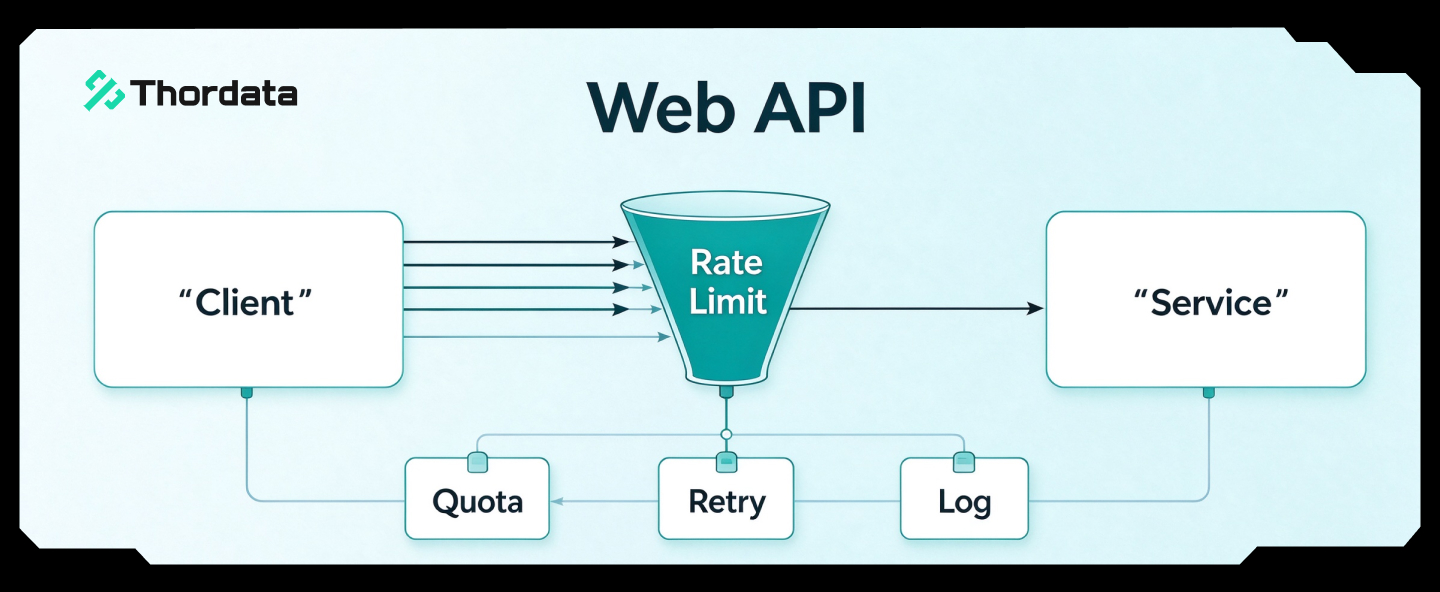
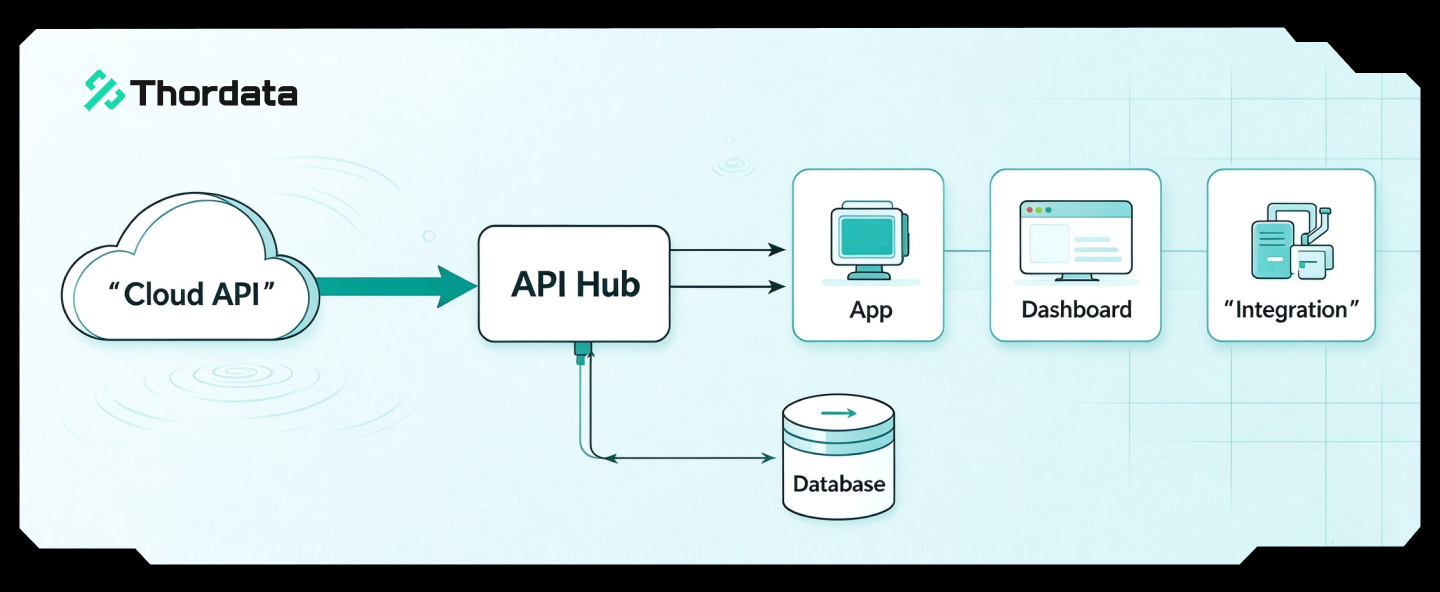
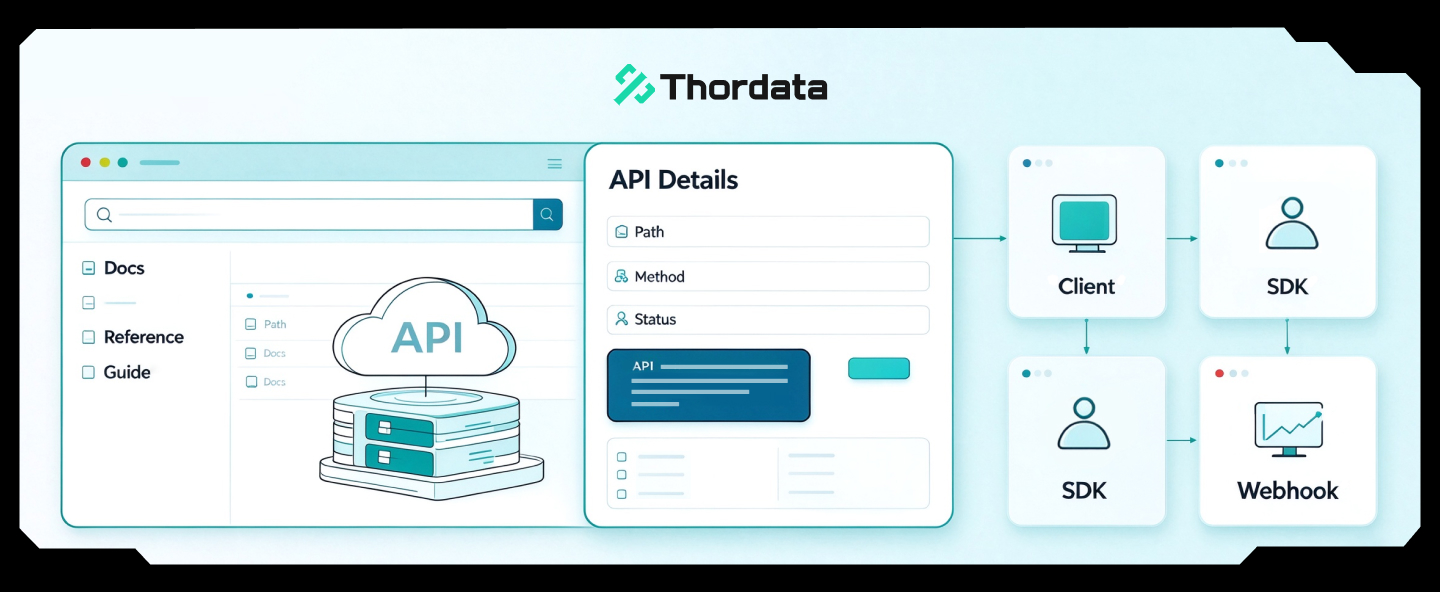
Thordata’s Scraper API delivers structured records from 120+ maintained targets — Amazon, eBay, Walmart, Zillow, Booking.com, YouTube, Indeed among them — at published rates around $0.50–$1.00 per 1,000 delivered results by volume. CAPTCHA solving, JS rendering, and parser maintenance sit upstream of your bill; failed attempts cost $0; output arrives as JSON/CSV/XLSX with stable schemas.
Bright Data’s scraper products live inside its platform: scraper IDEs and prepared-data products with a pay-as-you-go option for self-serve tiers and platform plans governing most access, enterprise compliance packaging (DPAs, SLAs), and a first-deposit match up to $500 per its public pricing pages. Its per-unit scraper rates aren’t itemized publicly — access is platform-shaped, and exact terms arrive in the vendor conversation. For teams consolidating many web-data needs into one governed relationship, that bundling is the product.
*All third-party figures are public listings at the time of writing; verify with vendors before deciding.*
Dimension One: What “Delivered” Means for Your Invoice
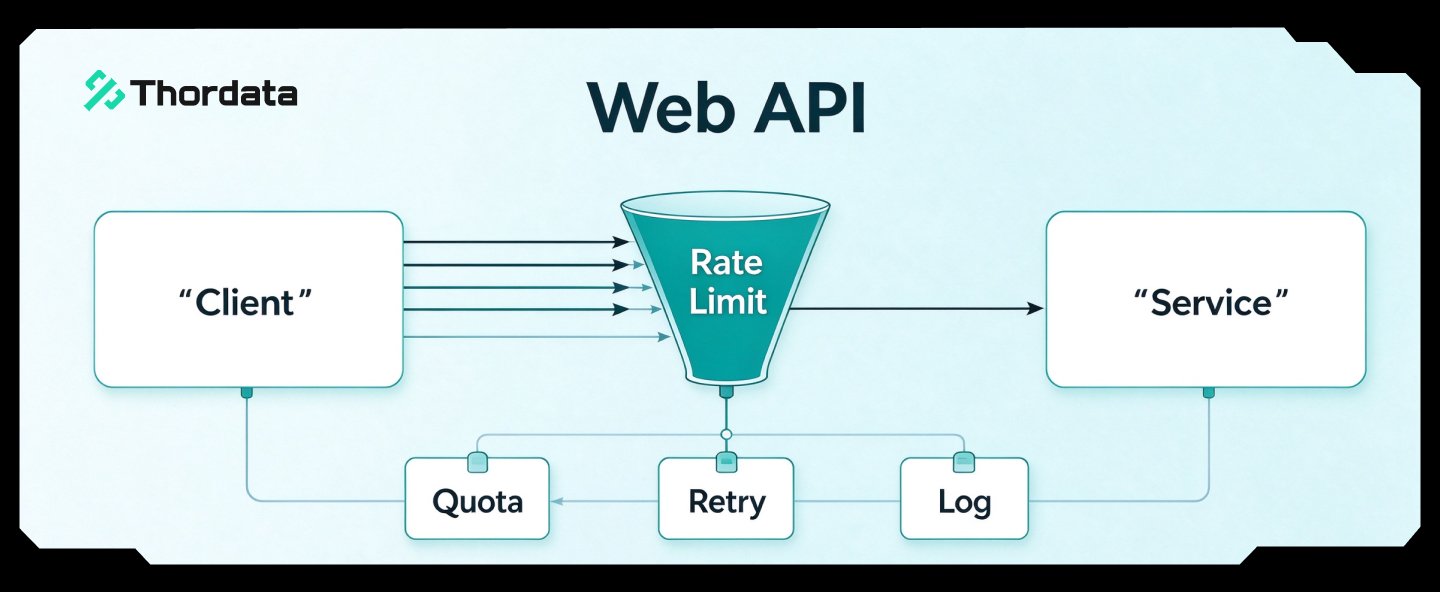
The deepest difference is billing semantics. Per-result pricing makes your invoice a function of data received — retries, blocks, and CAPTCHA appearances are the vendor’s overhead, priced into the unit rate. Platform pricing makes the invoice a function of the relationship — plan tiers, PAYG top-ups, negotiated terms — with collection mechanics inside the envelope. Both are coherent; they diverge under specific conditions:
| Condition | Per-result (Thordata) | Platform (Bright Data) |
|---|---|---|
| Spiky seasonal volume | Bills linearly, no ceiling | Plan ceilings or tier steps |
| Long retry-heavy targets | Failures free | Retry economics inside plan/PAYG terms |
| Predictable steady volume | Linear, knowable | Plan predictability by design |
| Enterprise compliance needs | Not the product’s center | The product’s center (DPAs, SLAs) |
| Exit | Non-event (no plan to unwind) | Contract unwind, real consideration |
Dimension Two: Maintenance Posture
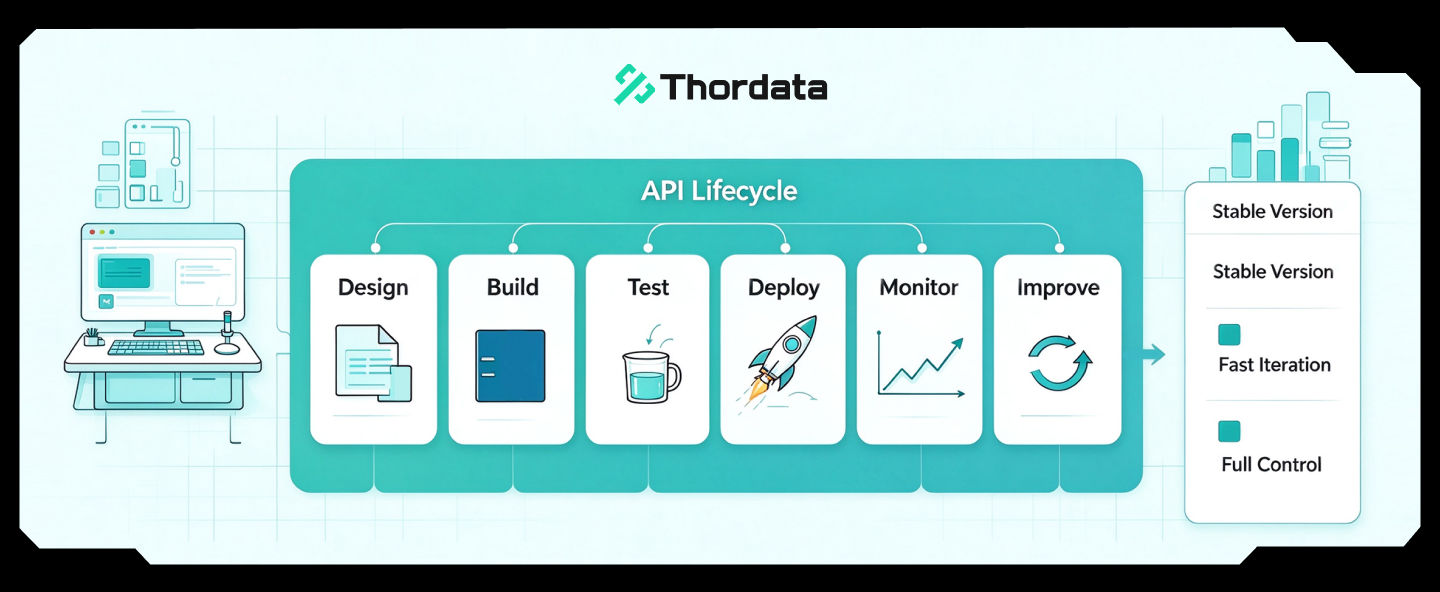
Thordata’s 120+ targets are maintained vendor-side — a target redesign is their outage, not your sprint. Bright Data’s platform couples maintained scrapers with customization depth (its IDE tooling lets teams build their own extraction logic inside the ecosystem), which is more control for teams that want it and more surface for teams that don’t. The honest framing: Thordata optimizes for “standard targets should be zero-maintenance for you”; Bright Data optimizes for “any target, with the tooling to make it yours.” Buyers who need the second thing are buying the right product from Bright Data; buyers who need the first are buying the right thing from Thordata.
Dimension Three: The AI-Native Consumption Path
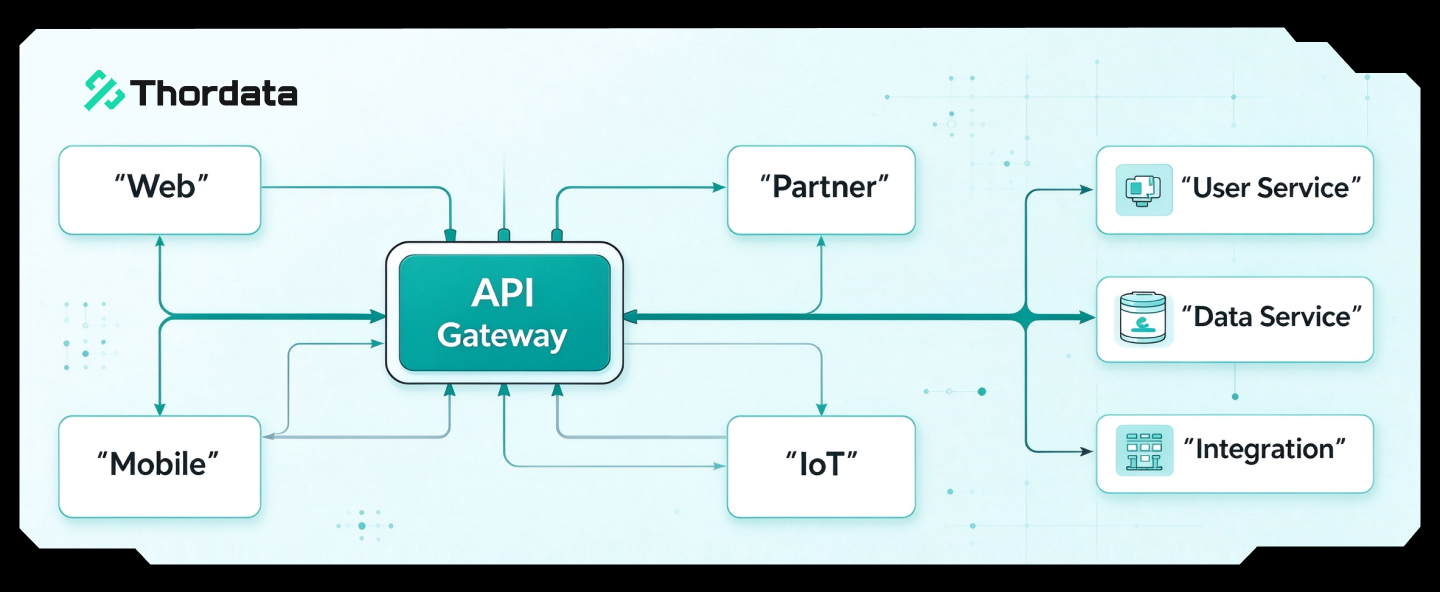
Both companies’ scrapers feed pipelines; the differentiating question in 2026 is what feeds agents. Thordata’s stack extends the same SERP machinery to agents via its MCP server — live search, request history, and usage statistics as agent-discoverable tools, 500 free calls to start, drawing on the existing response balance. Bright Data’s ecosystem integrations are platform-shaped, aimed at enterprise pipeline teams. Agents that need scraped-corpus history plus live search on one account find the pairing naturally on the Thordata side today; teams building governed enterprise pipelines find their shape on the other.
Dimension Four: Migration and Multi-Vendor Reality
Moving to per-result self-serve is an integration-week exercise: standard endpoints, one API key, no plan to unwind. Moving to or from a platform is a contract conversation. The multi-vendor pattern — steady compliance-heavy workloads on the platform, bursty growth on per-result — is increasingly the standard posture in production scraping, and it flatters both vendors honestly: each covers what the other prices differently. The routing table (standard targets → per-result; custom+compliance → platform) is the architecture most mature teams land on.
Verdicts by Buyer
- Compliance-governed enterprise: Bright Data’s packaging is the product you’re shopping for.
- Standard-target scale, spiky growth: Thordata’s published per-result economics match directly.
- Both needs, one org: Run both behind a router — the dual-vendor hedge, priced by each side’s strength.
- Agent-fed pipelines: pair Thordata’s scraper records with agent-driven live search on the same account.
FAQ
Why no per-result price for Bright Data here?
Their public pages confirm PAYG exists for self-serve scraper products without itemizing per-unit rates; inventing a number would fail the standard comparison pages are judged against. The absence of published unit rates is itself the comparison’s most decision-relevant datapoint — transparency is a purchasable property, and buyers should know they’re choosing it (or not) either way.
Which is cheaper?
Shape-dependent, always: per-result wins when volume is spiky and failures frequent (failed attempts bill $0); platform plans win when volume is flat and consolidation saves more than unit rates cost. Price your real volume curve on both models before believing either column of any comparison table — including this one.
How do the maintained-target catalogs compare?
Thordata’s is published (120+ targets, per its product pages); Bright Data’s is broad and ecosystem-integrated per its public site, with vertical depth in its dataset marketplace. Neither catalog’s length matters as much as whether *your* five critical targets are on it and maintained — a two-day sample-first check answers that better than any spec sheet.
What’s the fastest evaluation?
Thordata’s free trial credits cover a two-week mirror of your top targets at zero cost; Bright Data’s deposit match (public listing) reduces their entry cost. Mirror, diff delivered-records-per-dollar and per-target success, and score the agent-side consumption separately with the MCP tier’s free calls. Then choose your philosophy — and let the losing vendor’s trial quietly become your permanent second provider, which is exactly what the routing table wants anyway.
 Looking for
Top-Tier Residential Proxies?