World Cup 2026 Is Coming: How to Scrape Live Football Data Without Getting Blocked
48 teams. 104 matches. 39 days. Here’s the infrastructure that won’t let you down when the world is watching.
The Countdown Is Real
We’re less than a year out from the biggest World Cup in history. For the first time, 48 nations will compete across 104 matches in the United States, Canada, and Mexico. The data demand will be unprecedented—and so will the anti-bot protection.
If you’re building anything that touches World Cup data—live scores, fantasy leagues, analytics dashboards, content aggregation, or AI training pipelines—you need to answer one question now: What happens when your IP gets blocked during a semifinal?
Because it will. And “we’ll fix it tomorrow” isn’t an option when the match is live.
Why World Cup Data Is Different
Regular-season sports data is manageable. APIs are stable, rate limits are generous, and traffic patterns are predictable.
The World Cup breaks every assumption:
Table
| Factor | Regular Season | World Cup |
|---|---|---|
| Data velocity | Updates every 30-60 seconds | Real-time, sub-second |
| API availability | Consistent endpoints | Overloaded, rate-limited, geo-restricted |
| Anti-bot intensity | Standard | Maximum (platforms pay for exclusive rights) |
| Geographic complexity | Single league/country | 3 host nations, 48 teams, global audience |
| Uptime requirement | 99% acceptable | 99.99% or you’re irrelevant |
Official APIs (FIFA, ESPN, Sportmonks) won’t cover everything. Regional broadcasters have exclusive data in specific markets. Social platforms throttle aggressively during viral moments.
If your data strategy relies on a single IP address, you’re already out.
The Three Layers of World Cup Data
Before we talk proxies, let’s map what you’re actually trying to collect:
Layer 1: Match Events (The Basics)
- Live score, time, status
- Goal events (scorer, assist, timestamp)
- Cards, substitutions, injuries
- Possession, shots, corners, fouls
Sources: FIFA Live API, ESPN API, Flashscore, regional sports sites
Layer 2: Tactical Data (The Gold)
- Lineups and formations
- Player heatmaps and positioning
- Pass networks, xG (expected goals), pressure indices
- Post-match statistics and ratings
Sources: Opta, StatsBomb (paid), WhoScored, FBref, Sofascore
Layer 3: Contextual Data (The Edge)
- Social sentiment during matches
- News and injury updates
- Video highlights and commentary
- Fan reactions and trending moments
Sources: Twitter/X, Reddit, news aggregators, YouTube, TikTok
The problem: No single API gives you all three layers. And the free/affordable sources? They protect their data like it’s the trophy itself.
Why Your Scrapers Will Fail (And How to Fix It)
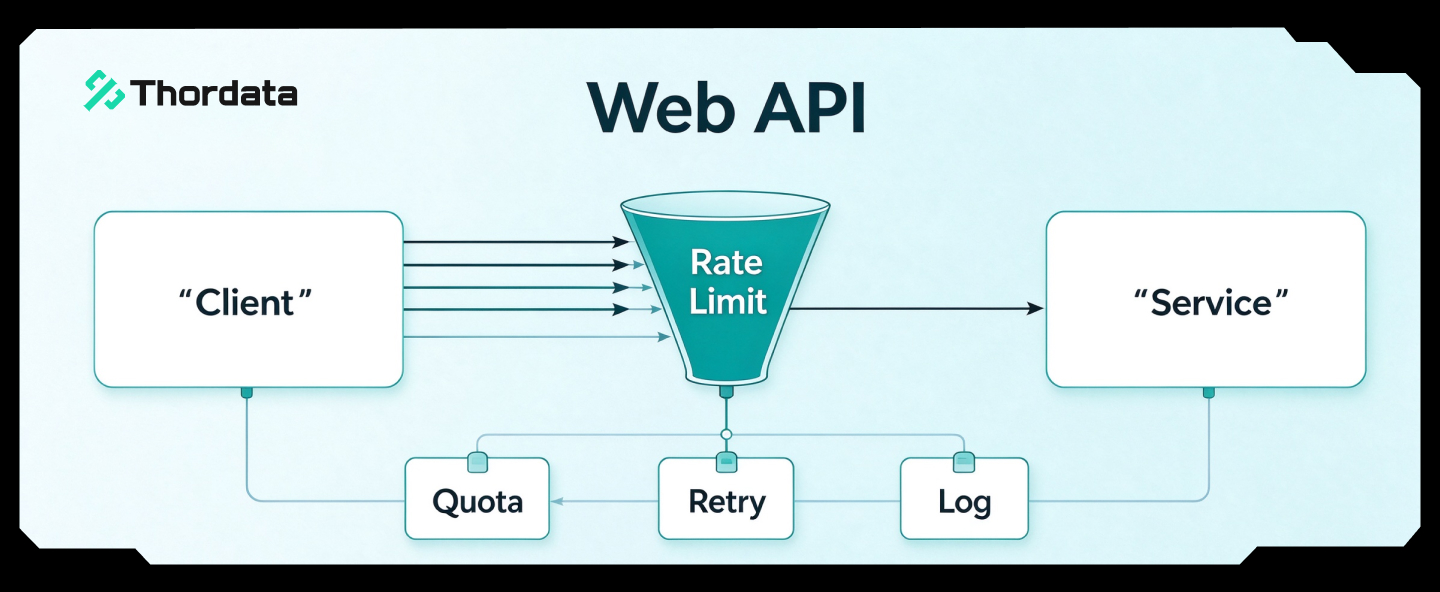
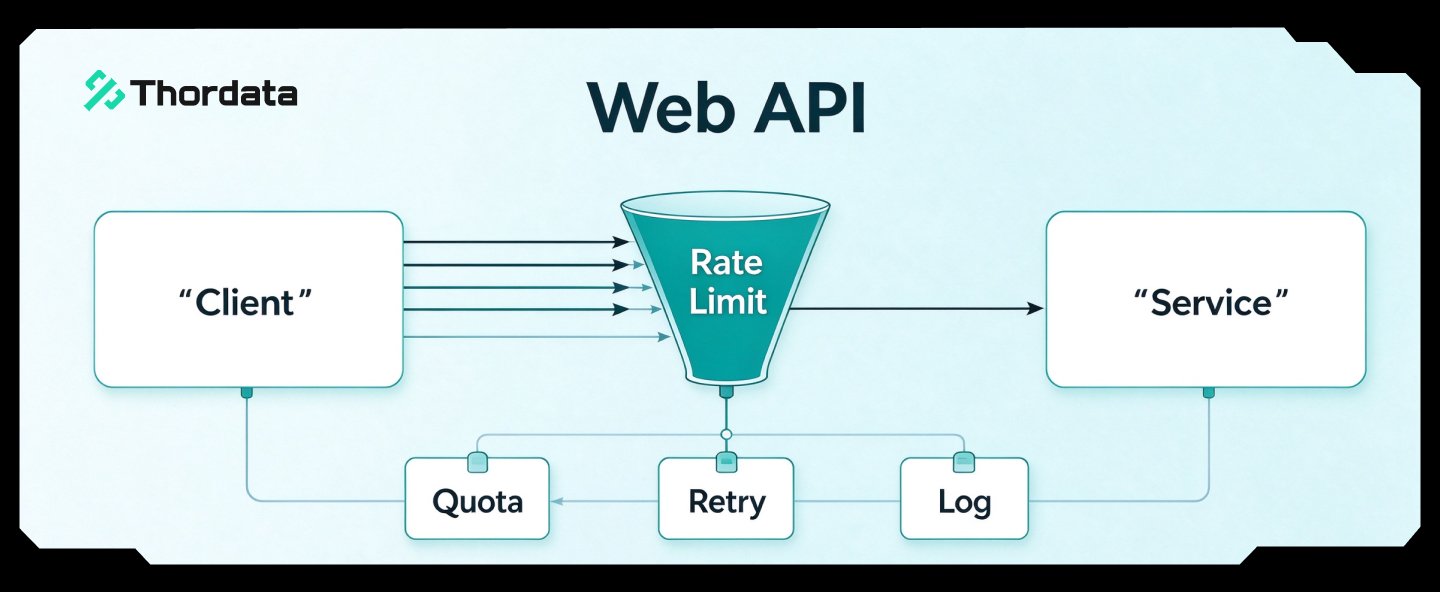
Failure Mode 1: Rate Limiting
A single IP making 100 requests/minute to a sports data site triggers automatic throttling. During the World Cup, thresholds drop by 50-70% because platforms expect scraping spikes.
Fix: Distribute requests across thousands of IPs.
Failure Mode 2: Geo-Blocking
FIFA sells regional broadcast rights. Data platforms enforce geographic restrictions. An IP from Germany might see different (or no) data than one from Mexico.
Fix: Use IPs from the target market.
Failure Mode 3: Fingerprinting
Modern anti-bot systems don’t just check IP addresses. They analyze TLS fingerprints, browser headers, request timing patterns, and JavaScript execution. A datacenter IP with perfect request intervals is a dead giveaway.
Fix: Use real residential IPs with natural traffic patterns.
Failure Mode 4: Session Persistence
Some data requires logged-in access or multi-step navigation. Rotating IPs mid-session breaks authentication and triggers security checks.
Fix: Sticky sessions that maintain the same IP for 10-30 minutes.
The Architecture That Works
Here’s a production-ready scraping stack for World Cup 2026:
plain
┌─────────────────┐
│  Orchestrator   │  (Airflow/Cron + your logic)
│  (Your Code)    │
└────────┬────────┘
         │
    ┌────▼────┐
    │  Proxy  │  ThorData Residential Proxy Pool
    │  Layer  │  (Rotating + Sticky sessions)
    └────┬────┘
         │
    ┌────▼────┐
    │  Target │  Sports data sites, APIs, social platforms
    │  Sites  │
    └─────────┘
         │
    ┌────▼────┐
    │  Cache  │  Redis (hot data, 5-min TTL)
    │  Store  │  PostgreSQL (structured match data)
    └─────────┘  S3 (raw HTML, video metadata)
Code in Action: Live Score Scraper
Python
import requests
import json
from datetime import datetime

# ThorData Residential Proxy configuration
PROXY_URL = "http://username:password@gate.thordata.com:10000"

def fetch_live_match(match_id):
    """
    Fetch live match data through residential proxy.
    Rotates IP automatically per request.
    """
    headers = {
        "User-Agent": "Mozilla/5.0 (Windows NT 10.0; Win64; x64) AppleWebKit/537.36",
        "Accept": "application/json, text/plain, */*",
        "Accept-Language": "en-US,en;q=0.9",
        "Referer": "https://www.flashscore.com/"
    }

    proxies = {
        "http": PROXY_URL,
        "https": PROXY_URL
    }

    try:
        response = requests.get(
            f"https://api.flashscore.com/match/{match_id}/live",
            headers=headers,
            proxies=proxies,
            timeout=15
        )
        response.raise_for_status()
        return response.json()

    except requests.exceptions.ProxyError as e:
        # ThorData auto-rotates on connection failure
        print(f"[{datetime.now()}] Proxy rotated, retrying...")
        return fetch_live_match(match_id)

    except requests.exceptions.HTTPError as e:
        if response.status_code == 429:
            print(f"[{datetime.now()}] Rate limited. Backing off...")
            # Implement exponential backoff
        raise

def monitor_match(match_id, interval=30):
    """
    Continuous monitoring with sticky session for consistency.
    """
    # Use sticky session for 10-minute windows
    sticky_proxy = f"{PROXY_URL}&session=wc2026_{match_id}"

    while True:
        data = fetch_live_match(match_id)

        if data.get("status") == "FINISHED":
            print("Match complete. Stopping monitor.")
            break

        # Process and store data
        store_match_event(data)

        time.sleep(interval)

def store_match_event(data):
    """Store to your database or message queue."""
    event = {
        "timestamp": datetime.utcnow().isoformat(),
        "match_id": data["id"],
        "home_score": data["homeTeam"]["score"],
        "away_score": data["awayTeam"]["score"],
        "status": data["status"],
        "events": data.get("events", [])
    }
    # Push to Redis/PostgreSQL/Kafka
    print(f"Stored: {event['home_score']}-{event['away_score']} @ {event['timestamp']}")
Why Residential Proxies Win for World Cup Data
Table
| Feature | Datacenter Proxy | VPN | Residential Proxy |
|---|---|---|---|
| IP reputation | Low (flagged as server) | Medium (shared pools) | High (real household IPs) |
| Detection rate | 60-80% blocked | 30-50% blocked | <5% blocked |
| Geographic precision | Country-level | City-level (sometimes) | City and ISP-level |
| Request volume | High, but obvious | Low (shared bandwidth) | High, distributed |
| Session control | None | None | Sticky sessions available |
| World Cup suitability | ❌ Poor | ⚠️ Risky | ✅ Ideal |
ThorData’s residential proxy network is specifically built for high-stakes data collection:
- 50M+ real residential IPs across 195+ countries
- City-level targeting for accessing US, Canadian, and Mexican regional data
- Auto-rotation with configurable intervals (per request, per minute, or sticky)
- 99.9% uptime SLA because downtime during a World Cup match isn’t acceptable
- Sub-second response times for real-time data pipelines
Scaling for the Tournament Structure
The 2026 World Cup has three distinct phases. Your proxy strategy should adapt:
Phase 1: Group Stage (June 11 – June 28)
- 72 matches in 18 days
- 4 matches/day at peak
- Strategy: Standard rotation, cache aggressively
- Proxy usage: ~5K requests/day per data source
Phase 2: Knockout Stage (June 29 – July 15)
- 32 matches (Round of 32 is new)
- 2-4 matches/day
- Strategy: Increase monitoring frequency, reduce cache TTL
- Proxy usage: ~15K requests/day (higher stakes = more sources)
Phase 3: Finals (July 16 – July 19)
- Semifinals, 3rd place, Final
- Strategy: Maximum redundancy, multiple proxy pools, real-time failover
- Proxy usage: ~50K requests/day (all-hands-on-deck monitoring)
Cost Planning: From MVP to Enterprise
Table
| Scale | Matches Monitored | Proxy Traffic | Monthly Cost | Setup Time |
|---|---|---|---|---|
| Hobby | 1-2/day | 2 GB | $50 | 2 hours |
| Startup | All 104 | 20 GB | $300 | 1 day |
| Growth | All 104 + social | 100 GB | $1,200 | 3 days |
| Enterprise | Multi-source + real-time | 500 GB | $4,500 | 1 week |
The ROI: A single blocked IP during the World Cup final could cost you users, revenue, or credibility. Proxy costs are insurance, not overhead.
Getting Started: Your 7-Day Setup
Day 1-2: Sign up for ThorData residential proxies, test connection to your primary data sources
Day 3-4: Build scrapers for Layer 1 (match events) with proxy integration
Day 5-6: Add Layer 2 (tactical data) and Layer 3 (social/contextual)
Day 7: Load test with 10x expected traffic, monitor block rates and response times
Ongoing: Cache aggressively, monitor proxy health, have failover pools ready
Conclusion
The 2026 World Cup will generate more data than any sporting event in history. The teams, apps, and platforms that thrive won’t be the ones with the best algorithms—they’ll be the ones with the most reliable data pipelines.
Residential proxies aren’t a “nice to have” for World Cup data collection. They’re the difference between being live and being late.
Start building your infrastructure now.Get ThorData residential proxies and be ready when the first whistle blows.
 Looking for
Top-Tier Residential Proxies?