


Web Scraper API
Fetch real-time data from 100+ websites,No development or maintenance required.
SCRAPING SOLUTIONS
Get accurate and in real-time results sourced from Google, Bing, and more.
With 120+ prebuilt and custom scrapers ready for any use case.
No blocks, no CAPTCHAs—unlock websites seamlessly at scale.
Execute scripts in stealth browsers with full rendering and automation
PROXY INFRASTRUCTURE
Over 100 million real residential IPs from genuine users across 190+ countries.
Reliable mobile data extraction, powered by real 4G/5G mobile IPs.
For time-sensitive tasks, utilize residential IPs with unlimited bandwidth.
Fast and cost-efficient IPs optimized for large-scale scraping.
SCRAPING SOLUTIONS
PROXY INFRASTRUCTURE
DATA FEEDS
Full details on all features, parameters, and integrations, with code samples in every major language.
LEARNING HUB
ALL LOCATIONS Proxy Locations
TOOLS
RESELLER
Get up to 50%
Contact sales:partner@thordata.com
Products $/GB
Fetch real-time data from 100+ websites,No development or maintenance required.
Get real-time results from search engines. Only pay for successful responses.
Execute scripts in stealth browsers with full rendering and automation.
Bid farewell to CAPTCHAs and anti-scraping, scrape public sites effortlessly.
Dataset Marketplace Pre-collected data from 100+ domains.
Over 100 million real residential IPs from genuine users across 190+ countries.
Reliable mobile data extraction, powered by real 4G/5G mobile IPs.
For time-sensitive tasks, utilize residential IPs with unlimited bandwidth.
Fast and cost-efficient IPs optimized for large-scale scraping.

Data for AI $/GB
Pricing $0/GB
Docs $/GB
Full details on all features, parameters, and integrations, with code samples in every major language.
Resource $/GB
EN $/GB
产品 $/GB
AI数据 $/GB
定价 $0/GB
产品文档 $/GB
资源 $/GB
简体中文 $/GB
Blog
Proxiesresidential-proxies-explained-how-businesses-use-proxy-infrastructure-for-reliable-web-data-collection
The modern internet contains enormous amounts of publicly available information that businesses rely on for market research, competitive analysis, AI development, and automation workflows.
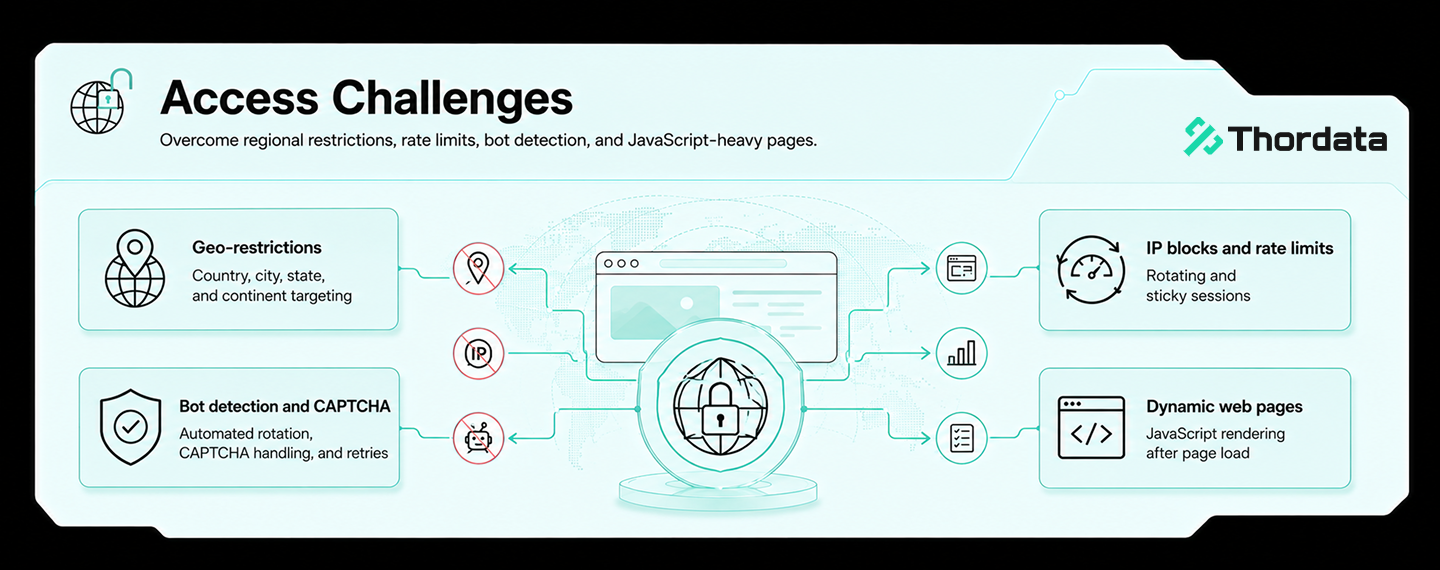
However, collecting public web data at scale is becoming increasingly challenging. Websites implement advanced security mechanisms, including rate limits, IP restrictions, geographic controls, and automated traffic detection systems.
This is where residential proxies become an essential part of modern data infrastructure.
By routing requests through real residential IP addresses, residential proxies help businesses collect publicly available web data more reliably while maintaining geographic flexibility and operational stability.
Residential proxies are proxy servers that use IP addresses assigned by Internet Service Providers (ISPs) to real residential devices.
Instead of sending requests directly from a company’s own server IP, a residential proxy allows data collection requests to appear as if they are coming from a normal household internet connection.
This makes residential proxies especially useful for scenarios where websites require more authentic access patterns.
A typical residential proxy workflow looks like this:
This infrastructure helps organizations build more stable and scalable data collection systems.
Many businesses depend on continuously updated web data.
Examples include:
Without appropriate proxy infrastructure, large numbers of automated requests may experience interruptions due to IP restrictions or traffic limitations.
Residential proxies provide a scalable way to distribute requests across diverse IP addresses and maintain consistent data access.
The internet is not identical everywhere.
Search results, product availability, advertisements, and online content can vary depending on geographic location.
Residential proxies allow businesses to collect localized data by selecting specific countries, regions, cities, or network providers.
Common applications include:
For global companies, geographic flexibility is critical for understanding different markets accurately.
AI systems require large volumes of diverse and high-quality data.
From training data preparation to retrieval pipelines, organizations need reliable ways to access public web information.
Proxy infrastructure plays an important role in:
By combining reliable proxy access with structured data processing, companies can build more efficient AI workflows.
Different business scenarios require different proxy solutions.
Best suited for:
Advantages:
Best suited for:
Advantages:
Best suited for:
Advantages:
A professional proxy solution should provide more than IP addresses.
Important capabilities include:
A broad and diverse proxy pool enables businesses to collect data across multiple regions and markets.
Different projects require different connection behaviors. Rotating sessions and sticky sessions help teams optimize workflows.
Enterprise data collection requires stable connectivity, predictable performance, and technical support.
Modern proxy platforms should support simple authentication methods, APIs, documentation, and integration with existing data pipelines.
When evaluating a residential proxy provider, businesses should consider:
The quality and diversity of IP resources directly influence data collection performance.
A provider should support the locations required by your business objectives.
Responsible data collection requires clear policies, ethical sourcing practices, and respect for website terms and regulations.
Large-scale data projects often require troubleshooting and optimization. Professional support can significantly reduce operational complexity.
Residential proxies have become a fundamental component of modern data infrastructure.
As businesses increasingly rely on public web data for AI development, market intelligence, and automation, reliable proxy networks enable more efficient and scalable data workflows.
The right proxy infrastructure helps organizations access global information, improve data quality, and build stronger data-driven solutions.
 Looking for
Top-Tier Residential Proxies?您在寻找顶级高质量的住宅代理吗?
Looking for
Top-Tier Residential Proxies?您在寻找顶级高质量的住宅代理吗?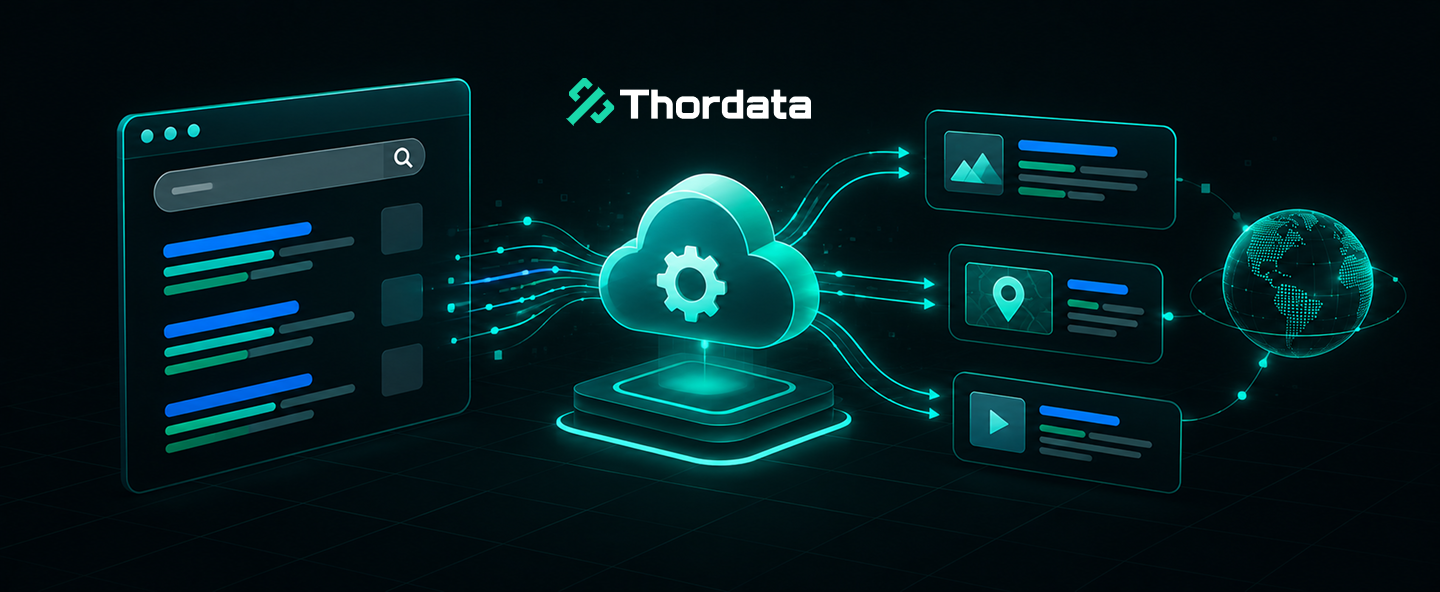
資料不是抓到就能用:AI 團隊採購 Dataset 前真正該問的問題
AI 團隊真正缺的通常不是資料數量,而是資料能否穩定進入模型 ...
Xyla Huxley
2026-10-19

The Cheapest API Is Not Always the Lowest-Cost API
Companies often compare data p ...
Xyla Huxley
2026-10-19

Your Scraper Is Running. Your Data Is Still Missing.
There is a particularly danger ...
Xyla Huxley
2026-10-19

Price Monitoring Does Not Fail at Extraction. It Fails at Interpretation.
A retailer may lose a customer ...
Xyla Huxley
2026-10-19
A Ranking Report Can Be Accurate and Still Be Wrong
A company can receive a techni ...
Xyla Huxley
2026-10-19
The Search API Is Not the Product. The Freshness Is.
An AI agent can sound intellig ...
Xyla Huxley
2026-10-19
一張網紅報價單,值多少錢?把直覺換成算式給老闆看
網紅行銷最大的成本不是報價,是「憑感覺成交」——粉絲數可以買 ...
Xyla Huxley
2026-10-15
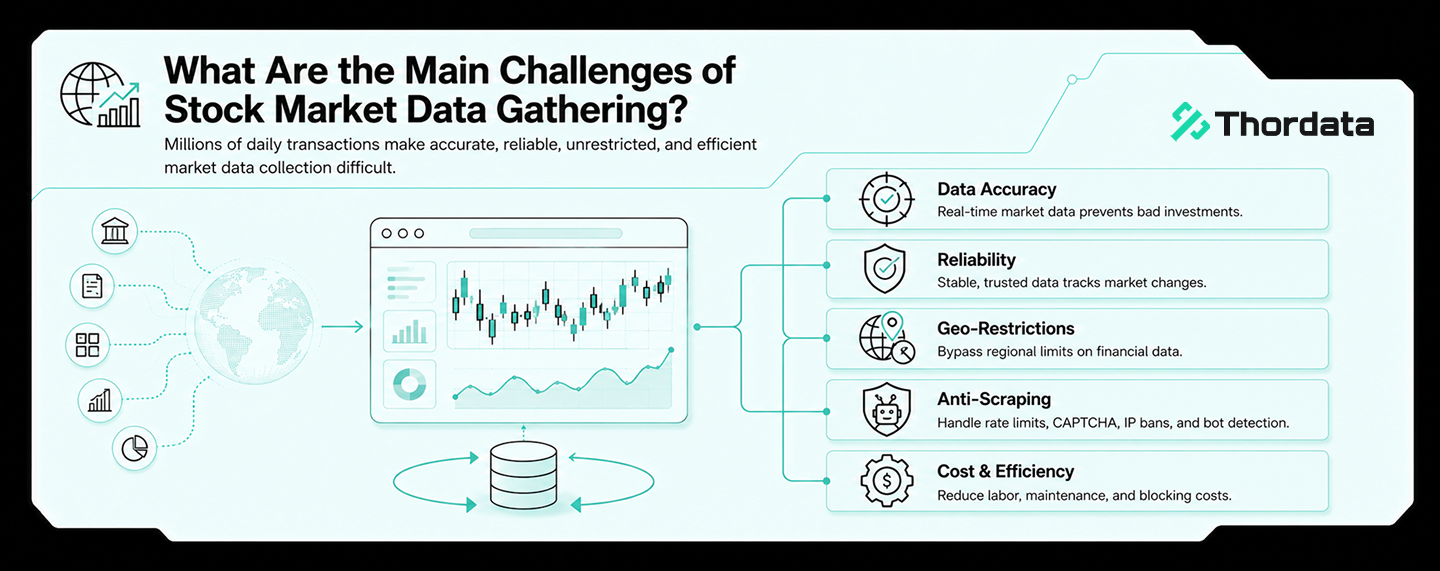
Legal Said No. Data Said Yes. The 90-Minute Meeting That Fixed Both.
The slowest part of buying tra ...
Xyla Huxley
2026-10-15
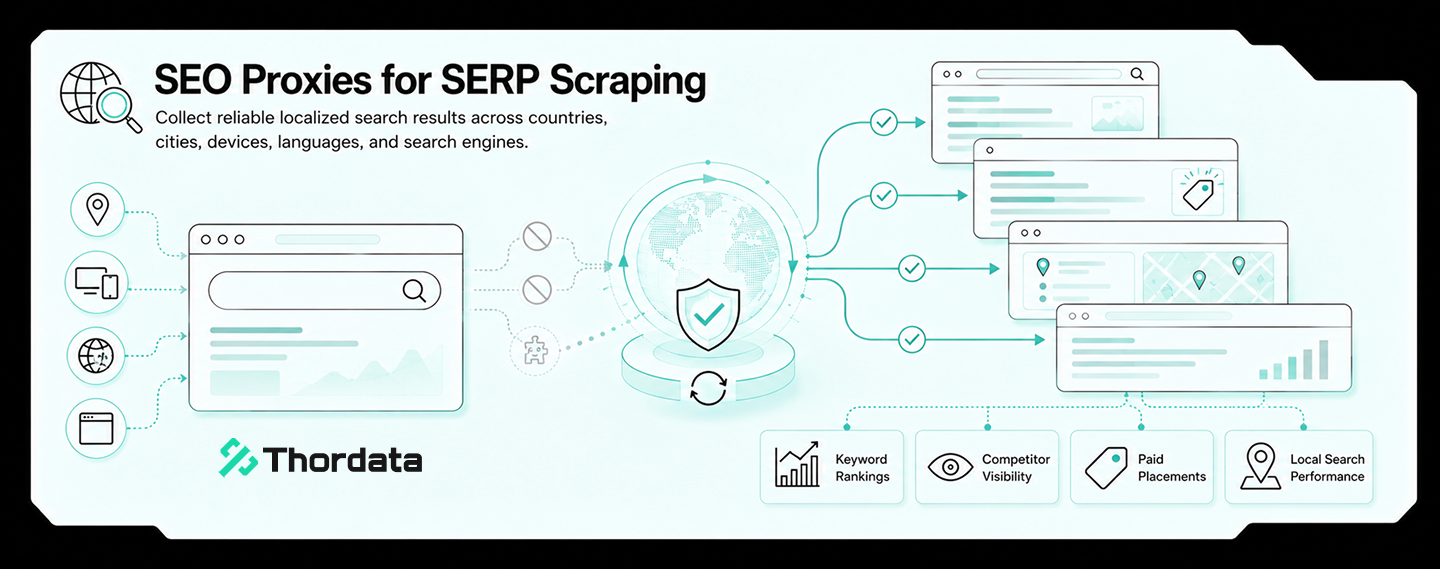
Search Results Remember: The Quiet Case for Buying SERP History
A rank tracker tells you where ...
Xyla Huxley
2026-10-15