What Is a SOCKS5 Proxy?
A SOCKS5 proxy is a general-purpose relay that forwards your traffic through a third-party server, so the destination sees that server’s IP address instead of yours. It operates at a lower level than an HTTP proxy and does not interpret the content of what you send.
How SOCKS5 Works
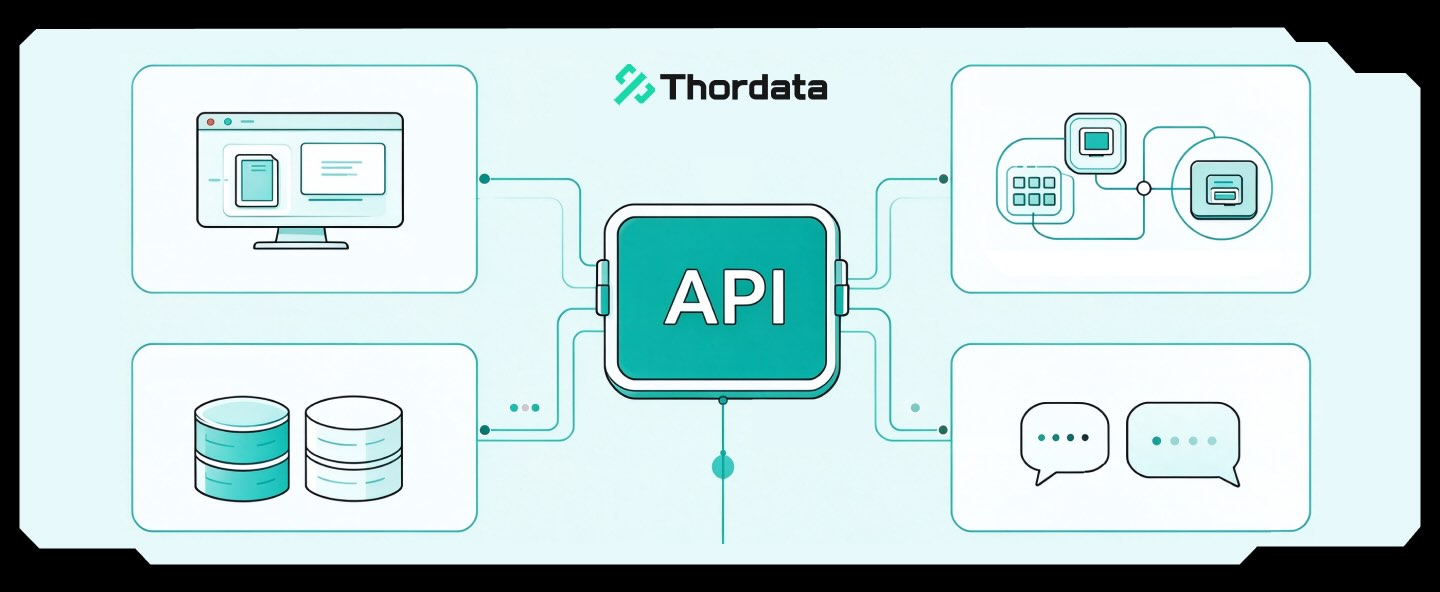
SOCKS5 (Socket Secure version 5) sits between a client and a target server. The client opens a connection to the SOCKS5 server, which then relays raw TCP — and, in some implementations, UDP — streams to the destination. Because the proxy does not parse the application protocol, it can carry almost any traffic type (web, mail, peer-to-peer, custom application data) rather than only HTTP and HTTPS.
The protocol uses a lightweight handshake. The client and server agree on an authentication method — SOCKS5 supports username and password, unlike SOCKS4 — then the client requests a target address and the proxy opens the connection on its behalf. The destination records the proxy’s IP as the origin of the request.
SOCKS5 vs HTTP Proxy
Both proxy types hide your IP, but they differ in where they operate and what they understand.
- Layer and scope. An HTTP proxy understands HTTP and HTTPS semantics — headers, methods, and content — and is built for web requests. SOCKS5 is transport-agnostic; it shuttles arbitrary packets without inspecting them.
- Authentication. SOCKS5 supports username and password authentication. Classic HTTP proxies rely on basic access authentication or upstream rules.
- Use-case fit. HTTP proxies integrate directly into browsers, libraries, and scraping tools, and support features such as header manipulation and per-request routing. SOCKS5 fits non-web protocols and applications that need raw socket forwarding.
- Tooling. Most HTTP clients (curl, Python requests, Playwright) accept an HTTP proxy with minimal setup. SOCKS5 needs client-side SOCKS support or a local bridge.
For web data work specifically, the HTTP proxy path is usually simpler because the proxy speaks the same language as the request. See the companion guide What Is an HTTP Proxy? and the SOCKS5 proxy comparison.
Common SOCKS5 Use Cases
- Routing application traffic through a different geographic IP.
- Carrying protocols an HTTP proxy cannot handle, such as mail or custom TCP services.
- Testing how a service responds when reached from a different network origin.
- Providing a local SOCKS bridge for applications that only accept a SOCKS endpoint.
SOCKS5 is a transport mechanism, not a quality guarantee. The reliability, IP reputation, and legality of anything you do through it depend on the upstream network, not on the protocol itself.
When an HTTP Proxy Is the Better Fit
If your goal is web scraping, SERP collection, or any HTTP-based automation, an HTTP proxy is typically the more practical choice: it connects straight into HTTP clients, supports request-level controls, and behaves predictably against web endpoints. SOCKS5’s protocol-agnosticism becomes an advantage only when you must tunnel non-web traffic.
Thordata’s Current Proxy Options
Thordata does not currently offer SOCKS5 proxies. Our proxy products are delivered over HTTP and are built for web data collection at scale:
- Residential proxies — real user IPs across 190+ countries with city-level targeting, from 0.65 USD per GB.
- Datacenter proxies — high-throughput IPs for large-volume HTTP workloads.
- Static ISP proxies — datacenter speed with ISP-registered IP reputation, from 0.75 USD per IP.
If you are evaluating a SOCKS5 provider for web automation, it is worth confirming whether HTTP delivery already meets the same needs with simpler integration. Get started at thordata.com.
Security and Compliance Notes
- A proxy changes the origin of your traffic. By itself it does not encrypt content — SOCKS5 has no built-in encryption — and it does not authorize access.
- Respect each target site’s terms, robots.txt, and applicable law. Use proxies to access data you are permitted to collect.
- Keep credentials out of proxy URLs and logs, and prefer providers with a clear data-handling policy.
FAQ
What is a SOCKS5 proxy?
A SOCKS5 proxy is a relay that forwards arbitrary TCP and UDP traffic through a third-party server, so the destination sees the proxy’s IP. It works below the application layer and does not parse HTTP.
Is SOCKS5 better than an HTTP proxy?
For non-web protocols, SOCKS5 is more flexible. For web scraping and HTTP automation, an HTTP proxy is usually simpler and integrates directly with common tools.
Does Thordata offer SOCKS5 proxies?
No. Thordata’s proxies — residential, datacenter, and static ISP — are delivered over HTTP and are designed for web data collection.
Can I use SOCKS5 for web scraping?
You can, but HTTP proxies generally require less setup with scrapers and HTTP clients, which is why web-data platforms standardize on HTTP.
Is a SOCKS5 proxy encrypted?
No. SOCKS5 does not encrypt payloads. For confidentiality you need TLS at the application layer, or a VPN in addition to the proxy.
What is the difference between SOCKS4 and SOCKS5?
SOCKS5 adds authentication (username and password), UDP support, and domain-name addressing, which SOCKS4 lacks.
 Looking for
Top-Tier Residential Proxies?